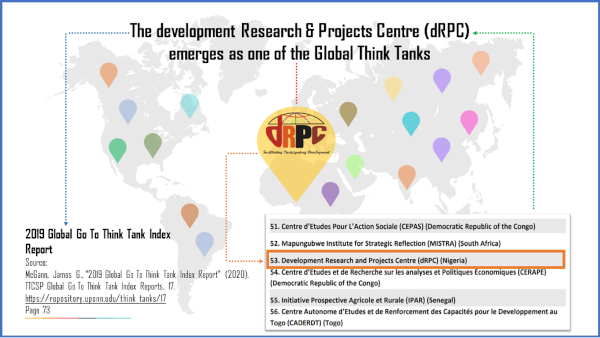
The dRPC’s core mission of strengthening the capacity of partners in development for societal advance, has led to the center developing a strong focus on strengthening for the CSOs. Studies by the dRPC found that development partners such as the private sector and government MDAs had greater technical capacity to design, fund and implement development interventions than CSOs. Local CSOs were found to have weak technical capacity and poor organizational capacity to grow and develop their organizations as third sector entities.
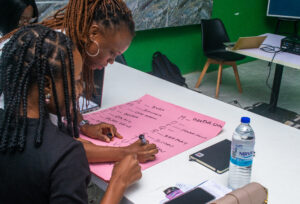
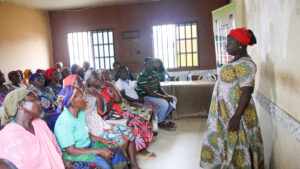
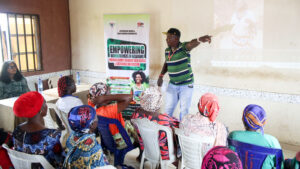
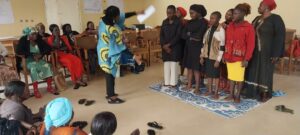
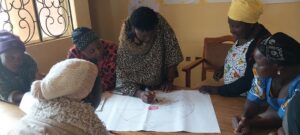
Since its formation in 1993, when the dRPC rolled out its education work with funding from the Bernard Van Leer Foundation, the dRPC has focused on technical and organizational capacity strengthening of CSOs collaborating with government or implementing donor funded education interventions. The main focus of the technical capacity strengthening workshop trainings focused on how to conduct evidence informed advocacy in the education sector, in these trainings budget literacy and analysis as well as gender analysis of education policy. The main focus of the organization capacity strengthening workshops and mentoring component of the dRPC’s work has been on fund raising; leadership development; sustainability planning; and talent development. Since 2011, the dRPC has trained and strengthen the capacity of 167 CSOs and associations of educators in leadership development; advocacy for policy reform; budget work; fund-raising and organizational strengthening.
Capacity building through sub-granting and grants management for education CSOs – the NSI Project
In response to USAID’s exit from the education landscape in Nigeria, the dRPC launched the NGO Support Initiative (NSI) in April 2025 to provide bridging grants to education NGOs which lost USAID funding and to build their capacity for resilience through finance and project management training.
The first NSI cohort followed a competitive process: a five-member panel of former Bill & Melinda Gates Foundation–anchored PACFaH@Scale grantees assessed applicants on capacity, gender inclusion and likely impact, shortlisting 139 valid entries nationwide. From this pool, dRPC awarded three-month bridging grants of up to ₦5 million each to 17 CSOs across all six geopolitical zones, sustaining interventions in women’s economic empowerment, health and wellbeing, education and digital skills, climate resilience, food security, and gender equality. 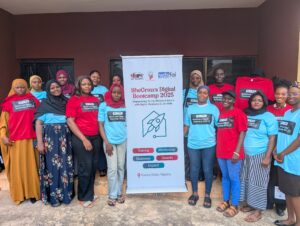
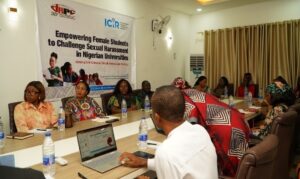
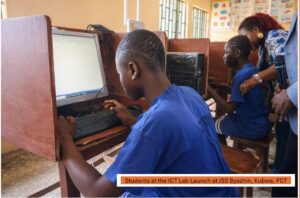
Education was a central pillar of this round delivered as a primary focus or integrated theme across five areas: digital and technology education, civic and rights education, education in emergencies, financial/livelihoods literacy, and health and wellbeing education. By dRPC’s own accounting, 14 of the 17 organisations delivered education programming. Rising Hope Girls Educational Foundation, Webfala, and Blue Sapphire Hub Foundation led on digital and technology education, together reaching 1,047 learners. Rising Hope trained teachers and students, built a digital lab, and funded school fees for 100 indigent girls; Webfala ran its SheGrows Digital Bootcamp; Blue Sapphire delivered data protection training. FLACHS and VIWADA trained 404 women farmers in Nasarawa and Benue on financial and agricultural literacy, while Heal the Youth Foundation paired nutrition education with business seed grants; BAOBAB and FOMWAN advanced civic and rights education for women’s empowerment and gender sensitisation, and ICIR trained 313 tertiary students on reporting sexual abuse; Unique Royal Sisters and Headfort Foundation delivered health and wellbeing education to vulnerable groups including people living with HIV, sex workers, and incarcerated individuals; and Resonat Spei Humanitarian Hub, GEPaDC, and NECA’s Network of Entrepreneurial Women delivered education in emergencies and on community accountability, GBV awareness and economic inclusion in conflict-affected areas.
Across the cohort, NSI reached over 6,555 beneficiaries, more than 70% women and girls. Grantees reported lasting gains including greater confidence among girls, improved women’s economic participation, and restored community trust, evidence the model delivered more than short-term bridging finance. Alongside the grants, subgrantees received mentorship, proposal support, institutional strengthening and donor engagement training, helping them diversify beyond single-donor dependence. dRPC is now building a database of education-sector NGOs to connect them with funders seeking vetted local partners.