Findings from a Market Landscaping and Segmentation Research commissioned by Sight and Life and conducted by the Development Research and Projects Centre (dRPC) have identified critical financing, affordability and supply chain challenges that must be addressed to successfully scale up Multiple Micronutrient Supplementation (MMS) for pregnant women in Nigeria.
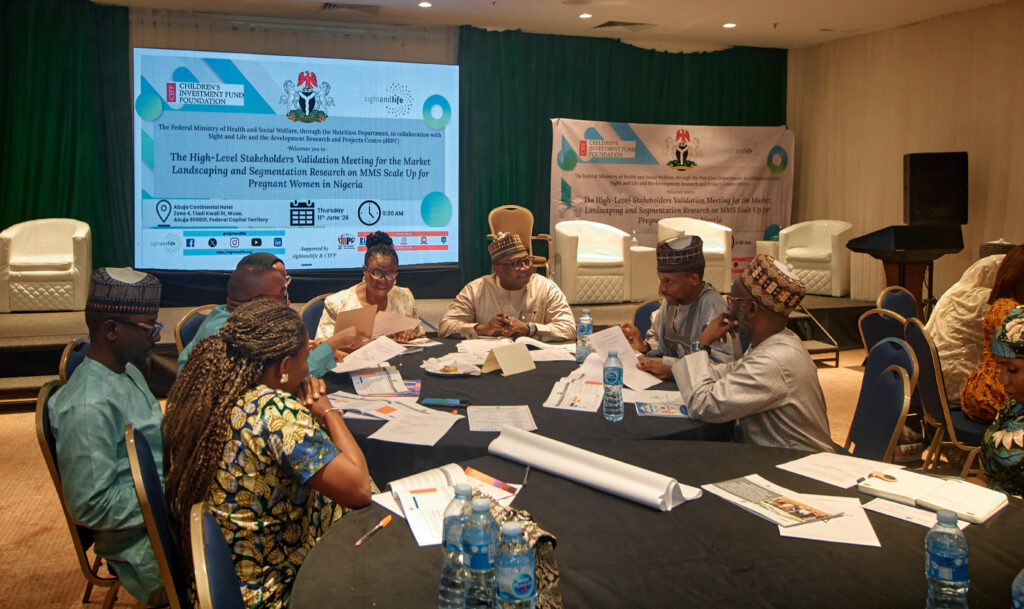
The findings were presented during the High-Level Stakeholders Validation Meeting for the Market Landscaping and Segmentation Research on MMS Scale-Up for Pregnant Women in Nigeria, held in Abuja on June 11, 2026. Commissioned by Sight and Life with support from the Children’s Investment Fund Foundation (CIFF), the research was conducted by dRPC across six states, Lagos, Kano, Bauchi, Imo, Niger and Bayelsa, to assess the opportunities, barriers and market conditions necessary for introducing and scaling up MMS as part of Nigeria’s maternal nutrition strategy.
 The study comes at a critical time for Nigeria, where an estimated 7.8 million women become pregnant annually and where maternal anaemia and micronutrient deficiencies continue to pose significant public health challenges.
Presenting the findings, Lead Researcher, Dr. Stanley Ukpai, highlighted the substantial opportunities for MMS adoption in Nigeria, while drawing attention to financing, affordability and supply-side constraints that could limit nationwide scale-up if left unaddressed.
According to the findings, women generally demonstrate a strong willingness to use MMS when the product is available, affordable and accompanied by appropriate information and counselling. However, fragmented financing arrangements, heavy reliance on donor funding, affordability concerns among low-income households and insufficient supply levels remain major barriers to achieving national coverage.
“Financing for MMS remains inconsistent and heavily dependent on donor support. Women are willing to use MMS, but many cannot afford it consistently, while current supply levels remain significantly below what is required for national coverage,” Dr. Ukpai noted.
The research recommends strengthening public financing mechanisms for MMS, introducing measures to protect affordability for vulnerable populations, improving procurement and distribution systems, and supporting local manufacturing to ensure long-term sustainability.
The validation meeting brought together representatives from government institutions, development partners, academia, civil society organisations, manufacturers and the private sector to review the findings and discuss practical pathways for implementation.
In her keynote address, Dr. Salma Ibrahim Anas, Special Adviser to the President on Health and Board Member of dRPC, underscored the importance of maternal nutrition as a foundation for national development. 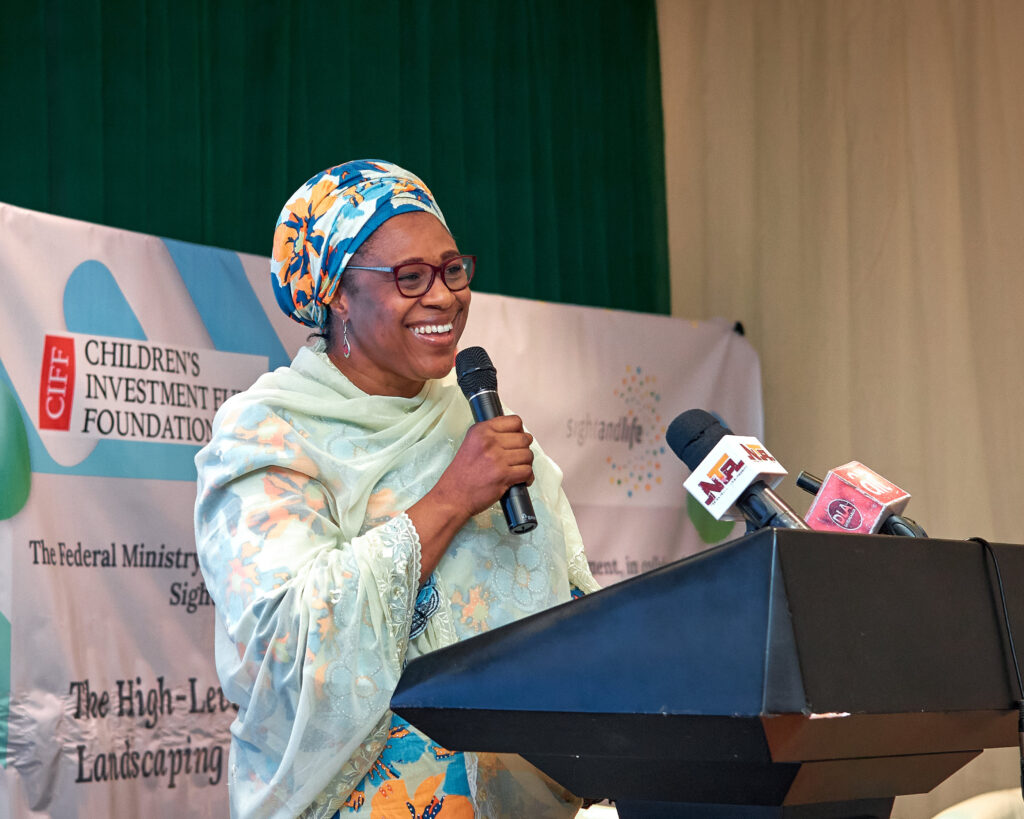
She noted that evidence supporting the effectiveness of MMS is already well established and that the focus must now shift toward sustainable implementation and financing.
Dr. Salma highlighted ongoing government efforts to strengthen maternal nutrition, including the inclusion of MMS in the National Essential Medicines List, support through the Basic Health Care Provision Fund and initiatives aimed at promoting local pharmaceutical manufacturing.
She emphasized that sustainable financing remains the most critical factor for successful scale-up, calling for increased domestic resource mobilisation and stronger ownership at federal and sub-national levels.
Also speaking at the event, the Director and Head of Nutrition at the Federal Ministry of Health and Social Welfare, Mrs. Adegbite Olufunmilola, highlighted growing global evidence demonstrating that MMS provides benefits beyond conventional iron and folic acid supplementation, contributing to healthier pregnancies, improved birth outcomes and better child growth outcomes.
Representatives of Sight and Life and the Children’s Investment Fund Foundation reaffirmed their commitment to supporting Nigeria’s efforts to improve maternal nutrition and expand access to evidence-based interventions for pregnant women.
The meeting also featured panel discussions on financing and policy integration, demand and consumer behaviour, and supply landscape and market structure, followed by technical breakout sessions focused on financing, service delivery, manufacturing and market shaping.
As Nigeria advances efforts to improve maternal nutrition outcomes, the validated findings provide an important evidence base for policymakers, development partners and implementers seeking to scale up MMS in a sustainable and equitable manner. The study reinforces the need for coordinated action across sectors to ensure that every pregnant woman in Nigeria has access to the nutritional support required for a healthy pregnancy and improved maternal and child health outcomes.
Media Links:
https://thenationonlineng.net/drpc-7-8-million-pregnant-women-to-benefit-from-maternal-nutrition/