The development Research and Projects Centre (dRPC) has called for a shift from symbolic support to intentional action by men and boys in advancing girls’ education in Nigeria, following the launch of a landmark study commissioned by the Malala Fund.
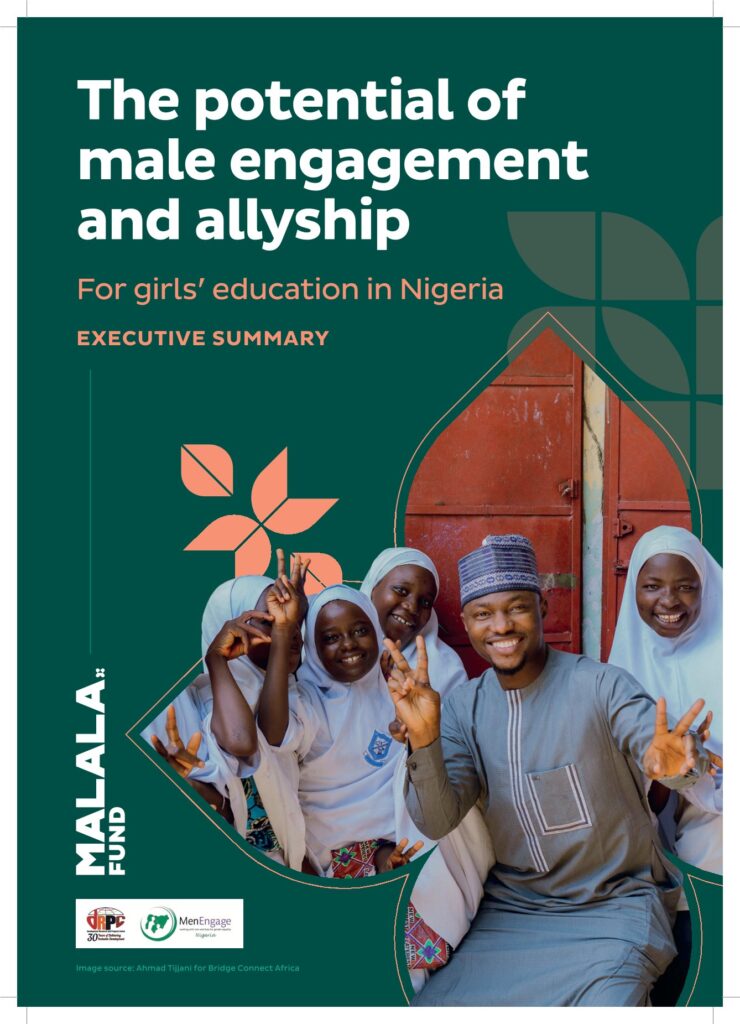
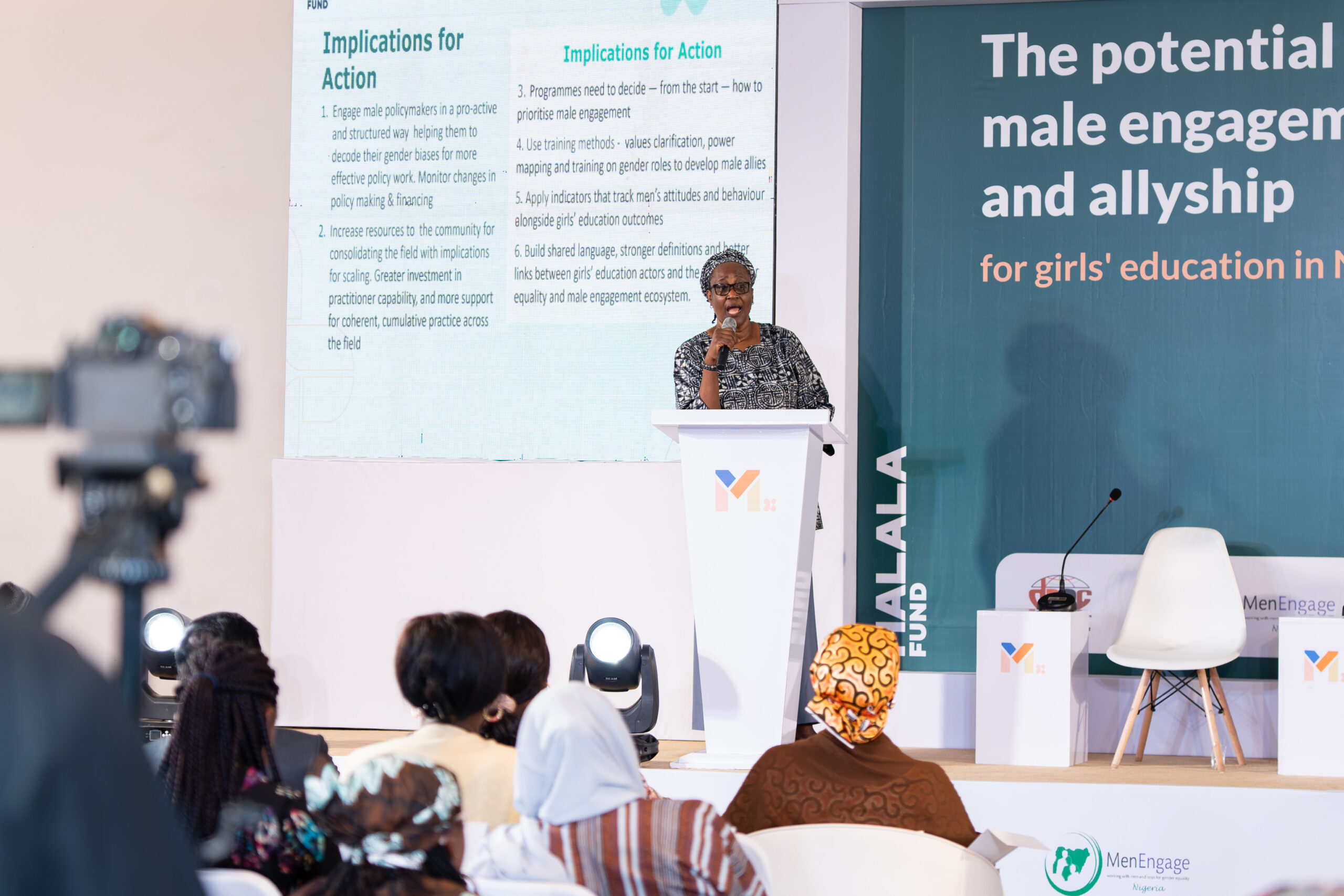 Presented in Abuja by dRPC’s Executive Director, Dr. Judith-Ann Walker, the report, The Potential of Male Engagement and Allyship for Girls’ Education in Nigeria, provides new evidence on how men and boys can become more effective allies in addressing the social and cultural barriers that continue to keep millions of girls out of school. The study argues that while men are often involved in girls’ education initiatives, their participation is rarely structured to challenge unequal power relations or drive meaningful policy and community-level change.
Developed through an extensive review of 385 publications, analysis of 28 flagship girls’ education programmes, and interviews with 63 practitioners, policymakers, community leaders and members of MenEngage Nigeria, the research identifies practical pathways for transforming male engagement into genuine allyship. Rather than positioning men as decision-makers, the report encourages them to use their influence to dismantle harmful gender norms, advocate for gender-responsive education policies, and create enabling environments where girls can enrol, remain in school, and complete their education.
Speaking at the launch, Dr. Walker noted that Northern Nigeria continues to face some of the country’s most severe girls’ education challenges, with high rates of school exclusion, child marriage, poverty and insecurity reinforcing one another. She stressed that meaningful progress requires engaging men and boys not only as supporters, but as accountable partners who actively champion girls’ rights while ensuring that girls remain at the centre of advocacy and decision-making.
The report was launched by the Malala Fund alongside key government officials, traditional and religious leaders, civil society organisations, development partners and education advocates. During the event, Malala Fund reaffirmed its commitment to ensuring every girl has access to 12 years of free, safe and quality education, while calling for stronger investments, gender-responsive financing and policies that remove barriers such as child marriage, teenage pregnancy and discriminatory social norms.
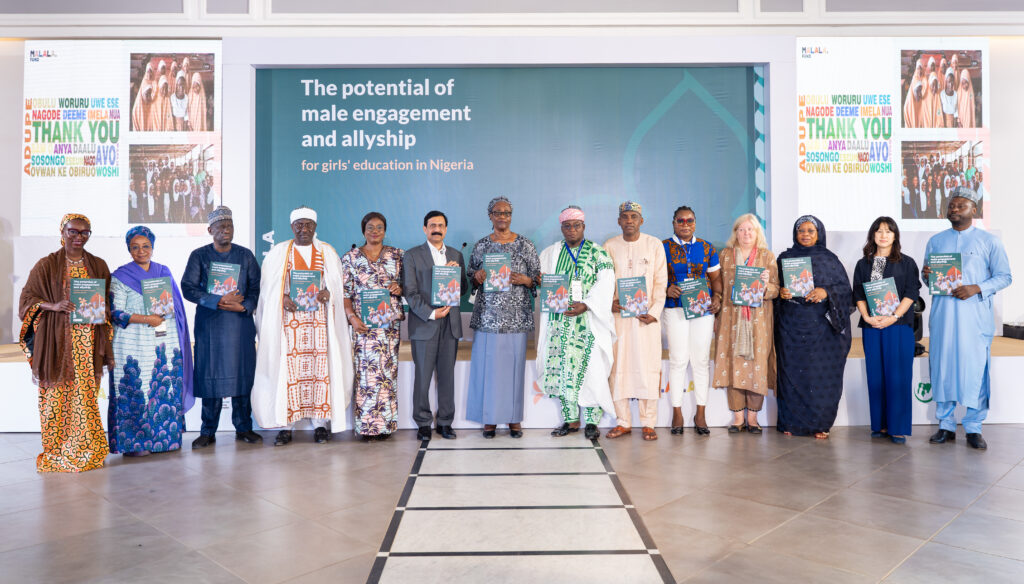
For dRPC, the report reinforces the importance of evidence-driven programming and collaborative action in addressing one of Nigeria’s most pressing development challenges. Its findings provide governments, civil society organisations and development partners with practical recommendations for designing programmes that move beyond awareness raising to measurable, sustainable action in support of girls’ education.
As Nigeria works towards improving educational outcomes for girls, the report offers a timely reminder that lasting change requires the collective efforts of communities, institutions, policymakers, women, men and boys working together to create a future where every girl has the opportunity to learn, thrive and reach her full potential.
______________________________________________________________________
In the News:
https://www.primepost.ng/2026/06/24/malala-fund-seeks-stronger-male-allyship-for-girls-education/