Education

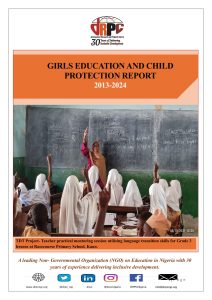
Girls Education and Child Protection Report
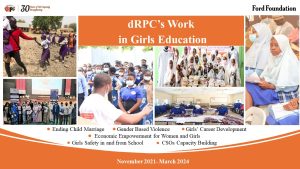
With over 30 years of experience in education programming in Nigeria, dRPC has a proven track record of impactful interventions in the sector with specific focus on Girls Education and Child Protection. The dRPC Girls Education piece of work focus on improving access to quality education for girls, expanding opportunities for girls’ empowerment through skills acquisition and career development programs and addressing the issues of Gender Based Violence in and from School for Girls through various projects implemented.

Advocacy and Capacity Building for Safe Schools in Nigeria
The development Research and Projects Centre
is is currently in the second half of the first year
of the BUILD grant. This report captures activ
ities in the period of performance from July to
November 2022. During this period the dRPC im
plemented all activities in its workplan.
TDT Training Evaluation Report
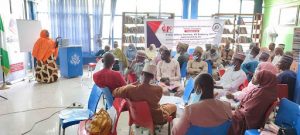
As part of the Teacher Development for Transition (TDT) activities, the dRPC organized a capacity-building workshop on language transition for 100 teachers from 10 primary schools in Kano State at the American Space.